





Is It Legal to Secretly Record a Phone Conversation?

Oberheiden, P.C.healthcare-fraud-defense.com888-680-1745Including Weekends
Wiretaps, scanners, and other secret recording devices are a notorious feature of spy dramas and private detective lore. Today, however, state and federal law makers have addressed concerns that such recording methods invade individuals’ privacy by enacting laws that prohibit the use of recording devices unless one or all parties to the conversation consent to being recorded.
The Federal Law
Under federal law (18 U.S.C. 2511), recording a conversation is only legal if one of the parties to the conversation gives prior consent. Therefore, interception of conversations through scanners, switchboards or other devices is illegal, as is disclosing or using any information obtained through illegal means. Violation of the law is punishable by up to 5 years in prison, a criminal fine, or both.
Put our highly experienced team on your side
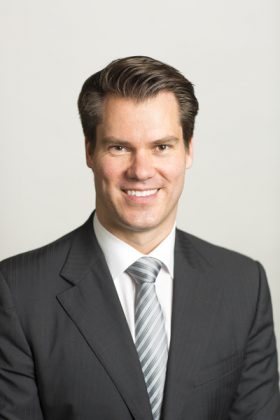
Dr. Nick Oberheiden
Founder
Attorney-at-Law

Lynette S. Byrd
Former DOJ Trial Attorney
Partner

Brian J. Kuester
Former U.S. Attorney

Amanda Marshall
Former U.S. Attorney
Local Counsel

Joe Brown
Former U.S. Attorney
Local Counsel

John W. Sellers
Former Senior DOJ Trial Attorney
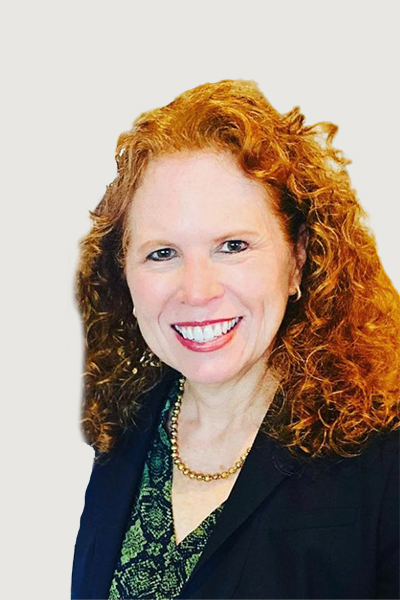
Linda Julin McNamara
Federal Appeals Attorney
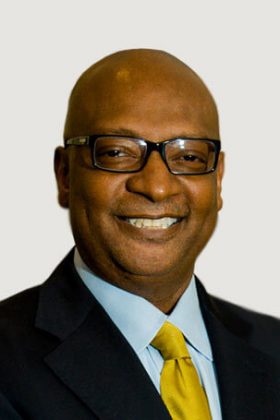
Aaron L. Wiley
Former DOJ attorney
Local Counsel

Roger Bach
Former Special Agent (DOJ)

Chris J. Quick
Former Special Agent (FBI & IRS-CI)

Michael S. Koslow
Former Supervisory Special Agent (DOD-OIG)

Ray Yuen
Former Supervisory Special Agent (FBI)
State Laws
State laws vary as to whether they require one party or all parties to consent to a recording for the recording to be legal. Below is a breakdown of the laws by state:
States Where All Parties Must Consent
- California
- Connecticut
- Delaware
- Florida
- Illinois
- Maryland
- Massachusetts
- Michigan
- Montana
- New Hampshire
- Pennsylvania
- Washington
States Where Just One Party Need Consent
- Alabama
- Alaska
- Arkansas
- Colorado
- District of Columbia
- Georgia
- Hawaii
- Idaho
- Indiana
- Iowa
- Kansas
- Kentucky
- Louisiana
- Maine
- Minnesota
- Mississippi
- Missouri
- Nebraska
- Nevada
- New Jersey
- New Mexico
- New York
- North Carolina
- North Dakota
- Ohio
- Oklahoma
- Oregon
- Rhode Island
- South Carolina
- South Dakota
- Tennessee
- Texas
- Utah
- Vermont
- Virginia
- West Virginia
- Wisconsin
- Wyoming
Oberheiden, P.C.888-680-1745healthcare-fraud-defense.comNot all attorneys of Oberheiden, P.C. are licensed in California and nothing contained in here is meant to constitute the unauthorized practice of law.